

Firms work as the backbone of the modern-day economic situation, providing important products and services, while likewise influencing technical development and cultural fads. At its core, a company is a legal entity distinct from its proprietors, with the ability of exercising much of the rights and duties of an individual. This consists of participating in agreements, having assets, employing staff members, and paying tax obligations. Among the most considerable advantages of a business structure is the limited obligation it uses to its shareholders, meaning that in most situations, the individual properties of the investors are protected from the company's liabilities. This urges financial investment and enables a risk-taking that drives financial development. Corporations can be identified into a number of types based on elements such as dimension, possession, and geographical spread. These include privately owned small organizations, huge multinational empires, and openly traded firms, to name a few.
The governance of a firm is a critical aspect that dictates its operation and tactical direction. Generally, firms are controlled by a board of supervisors chosen by the investors. The board has the duty to set broad objectives, supervise management, and make certain that the company operates within honest and legal limits. Daily procedures, nevertheless, are taken care of by the company's execs, led by the Principal Exec Officer (CEO). Firms need to stick to stringent regulations and governance standards, which vary significantly from one jurisdiction to another. These laws can cover a wide variety of concerns consisting of monetary transparency, ecological regulations, and labor methods. The complicated interplay between different company frameworks and regulatory settings develops a dynamic landscape in which businesses operate. Comprehending these elements is necessary for regulators, stakeholders, and financiers taken part in the business ecosystem.
Comprehending Firm Frameworks and their Functions
Corporations stand as complex entities, frequently viewed as behemoths of modern company method, tasked with stabilizing shareholder rate of interests with a vast variety of various other responsibilities. These organizations, whether exclusive or public, are built with a thorough legal structure that designates them as separate lawful entities from their proprietors, offering a vital guard called minimal obligation. This protection suggests that the personal properties of investors are not at risk if the company deals with insolvency or lawful difficulties. The inner framework of a firm normally includes a board of supervisors at the helm, in charge of major choices and looking after the wider calculated direction of the company. Underneath the board, the executive administration group, consisting of duties like the President (CHIEF EXECUTIVE OFFICER) and Principal Financial Policeman (CFO), deals with the everyday operations and carries out the board's plans. Each layer is made to guarantee that the corporation runs smoothly and follows lawful and moral criteria.
Understanding Company Structure and Governance
Understanding the details of corporate structure and administration is vital for any person participated in the company field, be it financiers, staff members, or management specialists. At its core, company structure defines the organization of a company's departments and departments, showcasing a clear delineation of functions and responsibilities. This arrangement not only helps with operational performance however additionally improves tactical decision-making processes. In bigger corporations, this framework is usually intricate, including multiple layers of monitoring and oversight, which requires a robust governance system to make sure responsibility and correct instructions. Corporate administration, for that reason, involves the systems, procedures, and connections by which firms are managed and directed. Administration frameworks and concepts identify the distribution of civil liberties and responsibilities among different individuals in the company, such as the board of directors, managers, shareholders, creditors, auditors, regulators, and various other stakeholders, and includes the policies and treatments for choosing in business events. Reliable governance can mitigate potential mismanagement and corruption, while fostering a transparent atmosphere where the rate of interests of investors and various other stakeholders are shielded and focused on. Furthermore, great administration techniques motivate firms to produce worth via development, operational quality, and critical vision, while also ensuring that properties are made use of effectively and sensibly.
Recognizing Business Structure and Governance
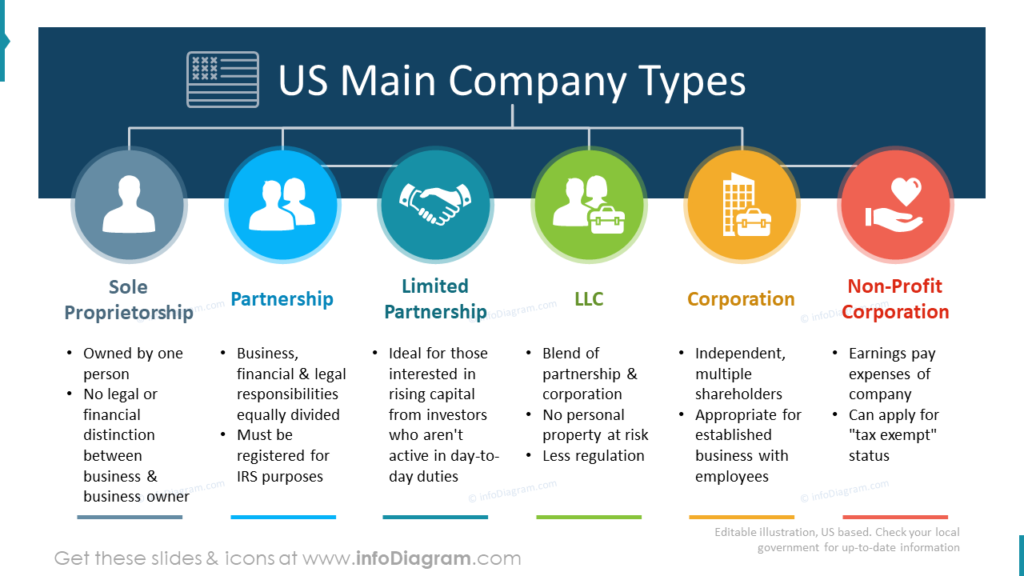
Corporations are intricate entities characterized by their one-of-a-kind framework and governance devices, created to balance the passions of different stakeholders including directors, shareholders, and employees. At the core of every company is the board of supervisors, charged with the important feature of managing the business's administration and making sure that shareholder rate of interests are represented. The board makes critical choices on plan and strategy, designates the business's executives, and controls the organization via developed bylaws and corporate governance policies. These governance versions differ substantially between business and are influenced by variables such as company size, possession framework, and geographical locations. In addition, companies are lawfully called for to comply with the jurisdictions in which they operate. This compliance varies from financial guidelines, such as the Sarbanes-Oxley Act in the U.S., which was enacted to safeguard capitalists from deceitful economic coverage by firms, to environmental regulations that govern just how a business's procedures influence the natural atmosphere. The intent behind these laws is to ensure openness, responsibility, and obligation in company operations, which consequently aids in keeping public count on and business sustainability. Inside, the operational framework of a company is another key element. This generally consists of numerous departments such as personnels, finance, and marketing, each led by senior executives that report to the chief executive officer. The chief executive officer, that is selected by the board, frequently holds a significant function in forming the culture, approach, and general instructions of the firm. This hierarchical structure assists in handling the intricacies of massive operations and straightening the numerous parts of the company towards common objectives. Finally, the framework and administration of corporations are essential to their operational integrity and public photo. Efficient administration can lead to a durable company structure efficient in weathering economic difficulties and moral dilemmas, consequently securing long-lasting success. As firms remain to develop, an ongoing difficulty stays the adaptation of these frameworks to meet altering governing landscapes and market dynamics, making certain that they continue to be aligned with both lawful requireds and the progressing expectations of their stakeholders.
Key Approaches for Corporate Growth and Sustainability
In today's quickly advancing market atmosphere, corporations must deploy vibrant strategies to achieve development and ensure long-lasting sustainability. An efficient method often involves a nuanced blend of advancement, calculated collaborations, and market growth. Advancement, for circumstances, is not merely about item advancement or technical development however also entails rethinking existing business versions and processes to better meet the changing needs and preferences of consumers. Firms that continually introduce tend to remain in advance of their competitors and better adjust to regulative adjustments and economic changes. i was reading this , one more essential part, can supply accessibility to new markets and innovations, improving a business's capacities and get to without the considerable expenses connected with organic growth. largest employers in delaware county ohio can lead to shared sources, knowledge, and customer bases, which are indispensable in today's interconnected global economic climate. more tips here -- whether group or geographical-- calls for a deep understanding of new markets, consisting of local customer behavior, regulatory landscapes, and potential obstacles to entrance. This can entail adapting marketing methods, customizing services or products to satisfy neighborhood demands, and structure local collaborations to assist in smoother access. Sustainable techniques are additionally significantly critical, as stakeholders from investors to customers are demanding better environmental responsibility. This change not only assists secure the firm's long-term stability versus the threats linked with environment adjustment and source shortage but also opens new possibilities in the expanding market for ethical and lasting products. Overall, by incorporating these techniques into their core operations, corporations can not just improve their competitiveness yet also play a pivotal function in driving forward the international program on sustainability.