

A company corporation, typically simply described as a corporation, is a sort of legal entity that stands out from its owners. It is recognized as a different lawful entity under the law, which implies it has advantages, civil liberties, and obligations independent of those of its investors. This framework allows a company to have building, enter into agreements, file a claim against, and be sued individually of its proprietors. The principle of a company has developed dramatically in time, stemming from ancient times however ending up being much more plainly specified throughout the industrial transformation when the demand for considerable resources financial investments made the company framework useful. One of the principal benefits of this business framework is limited liability, a lawful feature that protects shareholders' individual properties from company financial debts and obligations.
Companies are created through a lawful procedure called incorporation. Throughout this process, the potential owners, or incorporators, file essential documents, which usually include Articles of Unification, with a government body. These records lead to out the corporation's fundamental facets, such as its name, objective, and the quantity and kind of stock it is licensed to release. Once included, a firm has to comply with various regulative requirements, including holding regular conferences, maintaining comprehensive records, and reporting monetary details. This structured environment can be valuable as it lends credibility and can help in drawing in investments. Firms can be identified right into numerous types based on elements like tax obligation therapy (C company or S company in the U.S.) or stock accessibility (public vs. private corporations). The choice in between these kinds affects whatever from exactly how profits are strained to just how businesses can elevate capital.
Comprehending the Structure and Function of Business Firms
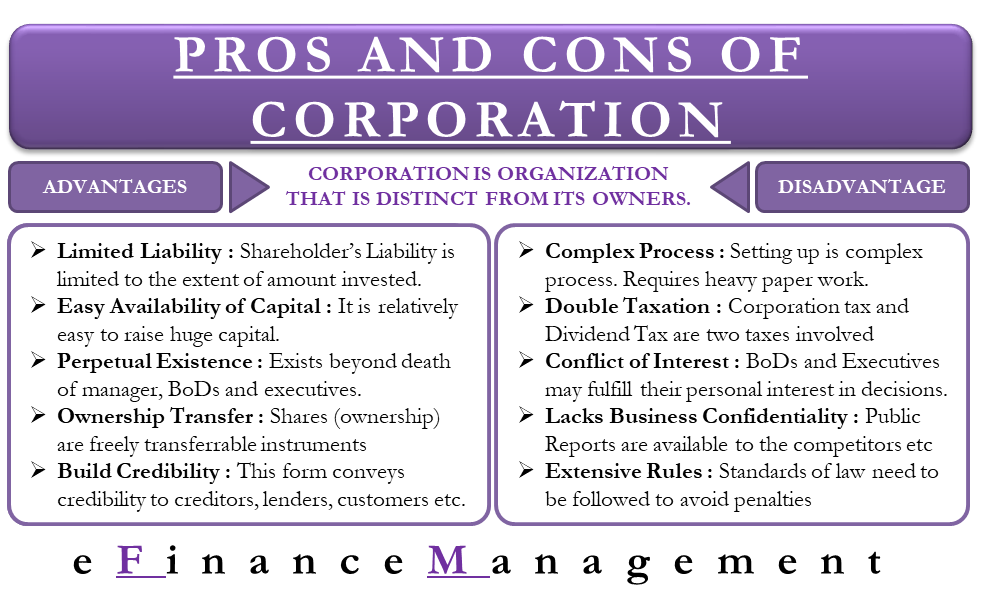
A service corporation is a complex entity, structured to run as a separate lawful individual unique from its owners, that are shareholders. This lawful splitting up gives the corporation unique benefits, such as restricted responsibility, which implies that shareholders are not directly liable for the debts and liabilities of the firm past their financial investment in stock. Corporations are generally taken care of by a board of supervisors elected by the shareholders. This board is in charge of making significant choices which include employing executive policemans to manage the daily operations. The business framework can differ considerably; it can be set up as a very closely held corporation with a few shareholders or a widely held public entity with countless investors and publicly traded shares. An additional crucial aspect of firms is their capability to raise resources through the sale of supply, which can supply considerable growth opportunities that could not be as easily accessible to various other organization kinds like single proprietorships or collaborations. Corporations usually profit from continuous existence, meaning they can continue to operate indefinitely, past the life-span of their founders or current proprietors. This feature makes them an eye-catching automobile for ongoing ventures, ensuring security and the capacity for long-term preparation and investment. Tax is another essential element in the business world; corporations are tired on their profits, and sometimes, shareholders are also tired on rewards, causing a circumstance called "double taxation." The capability to reinvest earnings at the corporate level often permits for even more significant business development and advancement.
Crucial Element of Structuring a Business Firm
An organization firm is a lawfully unique entity that separates personal responsibilities from corporate financial debts, consequently providing defense to its shareholders. Structuring such an entity needs cautious factor to consider of various lawful, monetary, and operational aspects. Among the primary steps in developing a company involves picking a suitable jurisdiction. look at these guys and countries provide distinctive benefits concerning tax obligation plans, legal protections, and administrative worries, which can dramatically impact the company's long-lasting practicality and success. After choosing a jurisdiction, the drafting of Articles of Unification is necessary. This paper describes the company's purpose, the amount and kind of supply it is authorized to provide, and the guidelines regulating the administration of corporate affairs. These arrangements guarantee conformity with local laws and offer a clear structure for future company governance. Moving on, the establishment of a skilled board of directors is vital. This body makes vital choices regarding the corporation's strategic instructions, supervises the administration, and ensures that the firm meets its fiduciary and lawful responsibilities. The board's duty in forming corporate values and culture can not be overstated, as these components seriously affect both inner performance and public perception. In addition, reliable corporate structuring must also take into consideration the requirements for functional versatility to adapt to altering economic and market problems. crown corporation canada definition may involve establishing up several subsidiaries or divisions, each customized to particular market needs or geographical areas. In the electronic age, focus should be given to the combination of modern technology in corporate operations. From improving processes with ERP systems to leveraging large information for market evaluation and customer engagement, innovation is a critical facet of a modern firm's facilities. Each of these steps, when thoughtfully implemented, adds to the durable structure necessary for an organization corporation to not only prosper however endure in today's affordable environment.
Understanding the Framework and Feature of Business Companies
Service corporations, legally acknowledged as distinct entities, play an essential duty in the global economic climate by promoting financial investment, cultivating innovation, and producing work. Structurally, a firm is defined by its ability to issue stock, which represents possession divided right into shares. Investors subsequently benefit from limited obligation, implying their individual properties are secured from the firm's liabilities and financial obligations. This feature is crucial as it urges more individuals to invest in these entities without the danger connected with personal monetary direct exposure. Firms are controlled by a board of supervisors chosen by shareholders. These directors manage the significant policies and choices, including the choice of leading execs that handle the everyday operations. Firms should stick to rigorous governing requirements and reporting requirements, which can vary thoroughly in between territories however typically consist of regular financial disclosures, conformity audits, and various other governance-related reports. The capacity to elevate considerable funding with public and personal markets is a substantial benefit of corporations over other business types, enabling them to embark on massive tasks and developments. related website and monetary adaptability combined with restricted obligation makes the corporate model extremely attractive for investors and entrepreneurs seeking to alleviate risks while taking advantage of on growth possibilities.
Strategic Approaches to Enhancing Corporate Efficiency
In today's rapidly progressing market, organizations require to release critical procedures to boost their efficiency and preserve competitive benefit. An essential aspect is the combination of modern technology, which permits streamlined operations and enhanced efficiency. Implementing innovative information analytics can supply insights right into customer actions, market fads, and operational inefficiencies, allowing firms to make educated decisions quickly. In addition, fostering a culture of innovation is crucial; it urges creativity amongst staff members and leads to the advancement of brand-new services and products that can open added earnings streams. Business governance likewise plays a significant function in maintaining efficiency. By making certain transparency and liability, services can develop trust fund with stakeholders and attract financial investment. In addition, ecological, social, and governance (ESG) requirements are becoming increasingly vital in the company world. Business that focus on sustainability techniques not just add to ecological conservation however likewise attract a wider base of investors and customers who value business obligation. Finally, expanding into brand-new markets can offer significant development possibilities. This needs cautious preparation and understanding of local organization settings to mitigate threats and optimize the potential for success. Through these tactical methods, firms can not only boost their performance but additionally guarantee lasting sustainability and growth in an intricate global economic situation.